Sunberry Plants
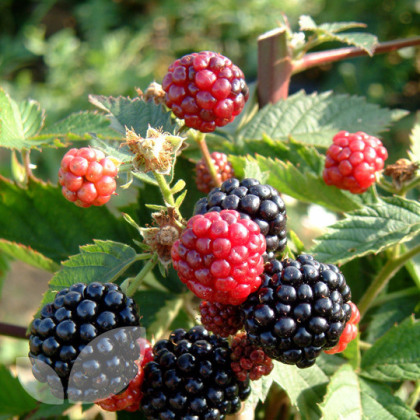
Sunberry plants are a recent hybrid from East Malling. Its main claim to fame is that the cropping period lasts for many weeks. Sunberries Produce very dark glossy berries with good Loganberry type flavour.
Sunberries are easy, productive plants that provide an abundant harvest of unusual berries, making them ideal for gardeners looking to grow something a little different while enjoying homegrown fruit for jams, desserts and preserves.
3 Litre = Container grown and can be planted all year round. The size refers to the number of litres of compost that the container holds.
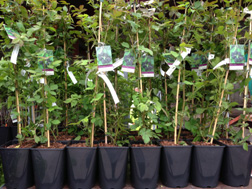
Plant 6–10 feet apart (1.8–3 m). These plants should also not be set too deeply and after planting bare root canes should be cut back to 9” (23 cm).
The young shoots arising from the base of the plant are tied in as they grow and then the old 9” stub can be removed.
Subsequently pruning is similar to raspberries, canes that have fruited are cut out immediately after fruiting.
Sunberry plants do best in a well-drained, fertile, loam soil with moderate water holding capacity. Avoid heavy clay soils. Sometimes you can improve a less desirable site by tiling, increasing organic matter content and building raised beds.


Sunberry Plants
Benefits of Growing Sunberries
- High-yielding plants Sunberries are vigorous growers that can produce large quantities of dark purple-black berries throughout the summer and early autumn.
- Easy to grow They are relatively low-maintenance, thriving in a sunny position with well-drained soil. Once established, they are generally drought tolerant and reliable croppers.
- Unique fruit The berries can be used in jams, pies, preserves, sauces and wine. While the fresh berries have a mild flavour, cooking brings out a richer taste similar to blackberry or blueberry.
- Nutritional value Sunberries contain antioxidants, vitamins and minerals that can contribute to a healthy diet.
- Attractive appearance The plants produce clusters of glossy, dark berries that create visual interest in vegetable gardens, allotments and edible borders.
- Suitable for smaller gardens Growing to around 60-120 cm in height, sunberries fit easily into most garden spaces and can even be grown in large containers.
- Good for productive gardening If you enjoy growing unusual fruits and vegetables, sunberries offer something different from the more common soft fruits.
- Where to Plant Sunberries Choose a warm, sunny location. Plant in fertile, well-drained soil.
- Space plants approximately 150-200 cm apart.
- Keep watered during dry periods, particularly when fruit is developing.
- Harvesting Berries are ready to pick when they turn deep purple-black and slightly soften. Fully ripe berries have the best flavour and are most suitable for cooking and preserving.