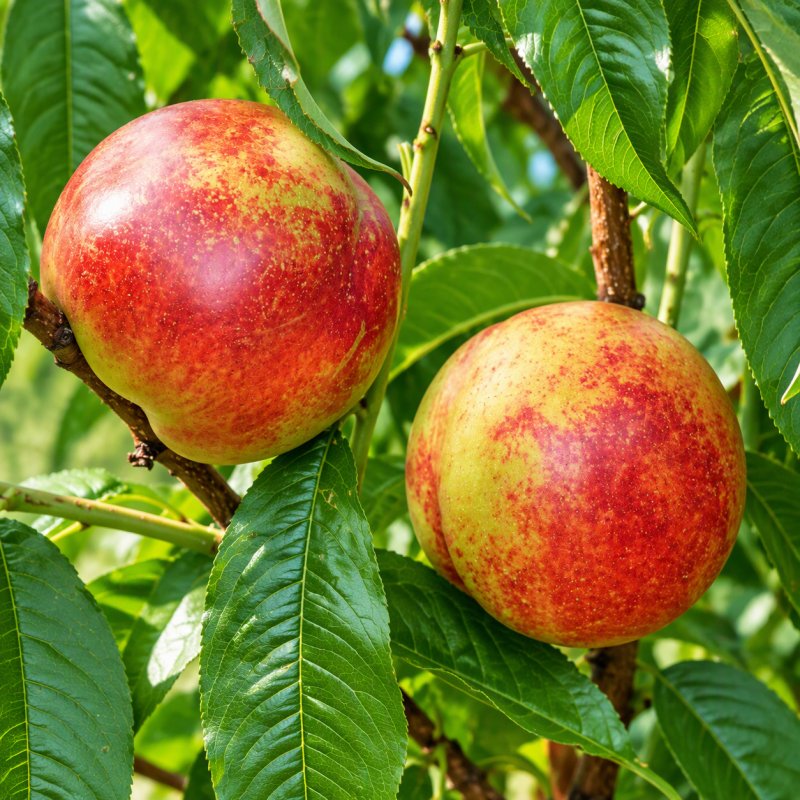


Nectarine Lord Napier
Item: LORDNAP
- Popular Garden Favourite – An excellent and popular choice for growing delicious nectarines at home.
- Superb Flavour – Produces aromatic, juicy white-fleshed fruit packed with flavour.
- Early Cropping – Enjoy an early nectarine harvest, with fruit typically ready to pick in early August.
- RHS Award of Garden Merit – Awarded the prestigious RHS AGM, recognising its excellent garden performance.
- Self-Fertile Variety – No second nectarine tree is required for pollination, making Lord Napier ideal for smaller gardens and allotments.
- Rootstock - Lord Napier trees are grown on the St Julien A rootstock.

Bare Root Multibuy
Multibuy offer. Buy 3 or more of any bare root tree and watch the price drop.
A 10% discount on all 3 or more trees will be applied at the checkout.
Save as you grow with Blackmoor
Qualifying products:
Apple Ashmeads Kernel
Apple Blenheim Orange
Apple Braeburn
Apple Brownlees Russet
Apple Charles Ross
Apple Chivers Delight
Apple Christmas Pippin
Apple Cornish Aromatic
Apple Cornish Gillyflower
Apple Coxs Orange Pippin
Apple Discovery
and more...
Collect in Store
This item is available for collection.
Home Delivery
UK mainland delivery from £9.98
Check delivery cost
Loyalty Scheme
Earn up to 178 loyalty points with this product.
Product Description
The most popular choice for growing a Nectarine at home. Lord Napier ripens early and the white flesh is aromatic and full of flavour. Lord Napier has received the Award of Garden Merit from the Royal Horticultural Society. Pick early August. Lord Napier is a self fertile Nectarine but like all other Nectarines they do flower very early so hand pollinate the flowers with a soft brush to aid the pollination. Protection from frosts when in blossom is essential. Protect the tree from winter rainfall to control leaf curl.
Growing Guide for Nectarine Lord Napier
Nectarine Lord Napier is an excellent choice for gardeners and allotment growers wanting delicious home-grown nectarines. It produces attractive pale yellow fruits flushed with crimson, with juicy flesh and excellent flavour, usually cropping in early August.
Where to Plant
Choose the warmest, sunniest and most sheltered position available. Lord Napier performs best in full sun with a south- or west-facing aspect and moist but well-drained soil. In cooler or more exposed gardens, growing the tree fan-trained against a sunny south- or south-west-facing wall provides extra warmth and shelter.
Planting
Prepare a generous planting hole and incorporate organic matter into the backfill. If planting a bare-root tree, soak the roots in water for around an hour before planting. Avoid planting into frozen or waterlogged ground. Keep the area immediately around the tree free from weeds, particularly while it is establishing. Trees in exposed positions may also benefit from secure staking.
Pollination
Lord Napier, like other nectarines, is self-fertile, so you only need one tree to produce fruit. Because nectarines flower early, hand pollination with a soft paintbrush can help transfer pollen between flowers when insect activity is limited.
Protecting the Blossom
Early nectarine blossom can be vulnerable to late frosts. When frost is forecast, protect the flowers with horticultural fleece to help safeguard the developing crop.
Watering and Feeding
Water regularly during hot, dry weather, especially while the tree is establishing and when fruit is developing. A balanced fertiliser applied in early spring can support healthy growth and fruiting.
Protecting Against Peach Leaf Curl
Peach leaf curl can also affect nectarines. Keeping winter and early-spring rainfall off the tree with a suitable rain shelter can help prevent infection. This is another reason why growing Lord Napier against a sunny wall can be particularly useful.
Pruning
Nectarines should be pruned during the growing season rather than in winter to reduce the risk of disease. Remove unwanted growth and maintain an open, productive framework.
Harvesting
One of the attractions of Lord Napier is its relatively early crop. Cropping in early August, producing pale yellow and crimson fruits with juicy, good-flavoured flesh.
Why Buy Your Nectarine Tree from Blackmoor Nursery?
When buying a Lord Napier Nectarine fruit tree, quality and growing expertise matter. Blackmoor Nursery brings over 100 years of fruit-tree growing experience, giving customers the reassurance of buying from a nursery with generations of specialist knowledge. Choosing a quality tree of a suitable variety is especially important with nectarines, and investing in a good-quality tree of your chosen variety from a reputable UK supplier.
Whether you're planting in a garden, allotment, against a sunny wall or in a suitable container, a quality nectarine tree from Blackmoor Nursery gives you a great start towards enjoying beautiful blossom and delicious home-grown fruit for years to come.
Where is the best place to plant a nectarine tree?
Choose a warm, sheltered position in full sun. A south- or south-west-facing wall is particularly suitable, as nectarines need plenty of warmth and sunshine to ripen successfully in the UK.
What type of soil is best for nectarines?
Nectarine trees prefer deep, fertile, moisture-retentive but well-drained soil. Avoid waterlogged conditions, which can cause root problems.
Do I need two nectarine trees for pollination?
No. Nectarines are self-fertile, so you only need one tree to produce a crop.
When is the best time to plant a nectarine tree?
Late autumn is a good time to plant, and bare-root nectarine trees can generally be planted between November and March while dormant. Container-grown trees can potentially be planted throughout the year.
How often should I water a nectarine tree?
Newly planted trees should be watered regularly during dry spells for their first couple of years. Good moisture levels are especially important in early to mid-summer as the fruits swell.
Do nectarine trees need protection from frost?
Yes. Nectarines flower early and their blossom can be damaged by frost. If frost is forecast during flowering, protect the blossom overnight with fleece, hessian or similar material.
Can I grow a nectarine tree in a container?
Yes. Compact nectarine varieties can grow and crop successfully in containers. Blackmoor Nursery recommends a container at least 45cm (18in) wide and deep, positioned somewhere sunny and sheltered.
Can nectarine trees be grown successfully throughout the UK?
Nectarines need plenty of warmth and sunshine. In cooler parts of the UK, we recommend growing them in an unheated greenhouse or polytunnel to provide better conditions for fruit ripening.
People who bought this also bought...
Save and share...
wish listShare
Nectarine Lord Napier Trees For Sale
Facebook Twitter Email Pinterest Telegram